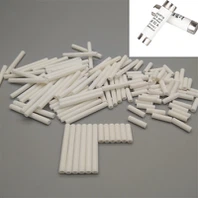
Alumina ceramics are generally more cost-effective than silicon carbide. Alumina ceramics are often used in wear parts (e.g. bearings, seals), electrical insulators, medical devices, etc., while silicon carbide is used in high-temperature applications, abrasive machining, cutting tools, armor materials, electronic components, etc.
Technical ceramics play a pivotal role in various industries due to their exceptional mechanical, thermal, and electrical properties. Among the wide array of technical ceramics, alumina ceramic and silicon carbide stand out as two of the most versatile and widely used materials. Each possesses distinct characteristics that make them suitable for specific applications. In this comparative analysis, we will delve into the properties, applications, and advantages of both alumina ceramic and silicon carbide.
Composition and Structure
- Alumina Ceramic (Al2O3)
Alumina ceramic primarily comprises aluminum oxide. This compound is renowned for its high hardness, making it an excellent choice for applications that demand wear resistance and electrical insulation. Its crystalline structure contributes to its exceptional mechanical properties.
- Silicon Carbide (SiC)
Silicon carbide is a compound composed of silicon and carbon atoms. It boasts extraordinary hardness and is highly thermally conductive. Silicon carbide is characterized by a hexagonal crystal structure, which imparts remarkable thermal stability and resistance to corrosion and abrasion.
Hardness and Wear Resistance
One of the key distinguishing factors between alumina ceramic and silicon carbide lies in their hardness.
- Alumina Ceramic
With a Mohs hardness rating of approximately 9, alumina ceramic is renowned for its robustness and high resistance to wear. This makes it an ideal choice for applications subjected to abrasive forces, such as in the manufacturing of bearings and seals.
- Silicon Carbide
Silicon carbide takes hardness to the next level, boasting a Mohs hardness rating of 9-9.5. This places it among the hardest known materials. Silicon carbide finds its niche in applications that demand extreme hardness and wear resistance, including cutting tools and abrasion-resistant components.
Thermal Conductivity and Stability
- Alumina Ceramic
While alumina ceramic exhibits commendable thermal conductivity, it is slightly lower compared to silicon carbide. Nevertheless, it remains an excellent choice for applications where moderate thermal management is required.
- Silicon Carbide
Here is where silicon carbide truly shines. It boasts outstanding thermal conductivity, rendering it invaluable in applications involving high temperatures and rapid heat dissipation. This property positions it as a cornerstone material in industries like electronics, where efficient heat dissipation is imperative.
Thermal Expansion and Shock Resistance
- Alumina Ceramic
Alumina ceramics have a relatively low coefficient of thermal expansion. This characteristic equips them with resistance to substantial expansion or contraction in response to temperature fluctuations. This makes alumina ceramics a go-to material for applications exposed to varying thermal conditions.
- Silicon Carbide
Silicon carbide exhibits an exceptionally low coefficient of thermal expansion, endowing it with exceptional resistance to thermal shock. This property makes it a preferred choice in environments characterized by rapid and extreme temperature variations.
Electrical Properties
- Alumina Ceramic
Alumina ceramic serves as an excellent electrical insulator. This makes it indispensable in applications where electrical insulation is paramount, including in the production of electronic components.
- Silicon Carbide
Silicon carbide is a versatile semiconductor material, capable of conducting electricity under specific conditions. It can also be engineered to act as an insulator, expanding its range of applications in electronics.
Chemical Inertness
- Alumina Ceramic
Alumina ceramics exhibit a high degree of chemical inertness, enabling them to withstand exposure to a wide spectrum of chemicals. This property ensures the material's longevity and reliability in chemically aggressive environments.
- Silicon Carbide
Silicon carbide's remarkable chemical inertness renders it highly resistant to most chemicals, even at elevated temperatures. This attribute makes it an invaluable material in industries where resistance to corrosive substances is crucial.
Cost Considerations
- Alumina Ceramic
Alumina ceramics are generally more cost-effective compared to silicon carbide. This cost advantage can be a significant factor in industries where budget constraints play a pivotal role in material selection.
- Silicon Carbide
Silicon carbide's production process is complex and energy-intensive, contributing to its higher cost compared to alumina ceramic. However, its unique properties often justify the investment, especially in high-demand applications.
Applications
- Alumina Ceramic
Alumina ceramics find a wide range of applications across industries. They are utilized in wear components (such as bearings, seals), electrical insulators, medical devices, and more.
- Silicon Carbide
Silicon carbide is deployed in high-temperature applications, abrasive machining, cutting tools, armor materials, and electronic components. Its prevalence is particularly notable in high-power applications like power electronics.
In conclusion, the choice between alumina ceramic and silicon carbide hinges on the specific requirements of the intended application. Factors such as hardness, thermal conductivity, electrical properties, and budgetary considerations will all weigh into the selection process. Understanding the distinct advantages of each material empowers engineers and manufacturers to make informed decisions that align with the demands of their respective industries.