

Ceramic Parts
Technical Ceramic Parts Manufacturer
Customized Parts Made of Advanced & High-Temperature Ceramics
Parts made of technical ceramics generally feature high service temperature, excellent wear resistance, and outstanding corrosion resistance. UNIPRETEC specializes in the manufacturing of precision technical ceramic parts, providing reliable solutions for demanding industrial applications worldwide.
Specialized Manufacturer of Technical Ceramic Parts
UNIPRETEC was founded in 2014 and focuses on the research, manufacturing, and supply of advanced ceramic components. Our ceramic parts are widely used in high-temperature, high-wear, corrosive, and electrically demanding environments where conventional metal or polymer materials fail.
We are able to provide a wide range of ceramic materials and customized ceramic parts based on customer drawings, samples, or application requirements. With strong material expertise and precision machining capabilities, UNIPRETEC supports both prototype development and mass production.
- Customized technical ceramic parts based on drawings or samples
- High-temperature, wear-resistant, and corrosion-resistant solutions
- Precision machining for complex ceramic components
- OEM & ODM support for industrial ceramic applications

Main Technical Ceramic Materials
UNIPRETEC offers a comprehensive portfolio of advanced ceramic materials to meet different thermal, mechanical, electrical, and chemical requirements. The main materials include:
Alumina (Al₂O₃), Zirconia (ZrO₂), Silicon Carbide (SiC), Silicon Nitride (Si₃N₄), Aluminum Nitride (AlN), and Hexagonal Boron Nitride (h-BN).
Contact UNIPRETEC for Technical Ceramic Parts
Contact UNIPRETEC to discuss your requirements for custom technical ceramic parts. Our technical team will assist with material selection, design optimization, and manufacturing feasibility.
-
![Macor Machinable Glass Ceramic]()
Macor Machinable Glass Ceramic
Machinable glass ceramics, commonly known as Macor ceramics, are a multifunctional material that combines the features of glass and ceramics. They are are polycrystalline composites with exceptionalAdd to Inquiry -
![Ceramic Inner Focus Ring]()
Ceramic Inner Focus Ring
Ceramic inner focus rings play a key role in improving the efficiency and reliability of plasma etching equipment in semiconductor manufacturing. It has the following advantages:. - ExcellentAdd to Inquiry -
![Ceramic Deposition Ring]()
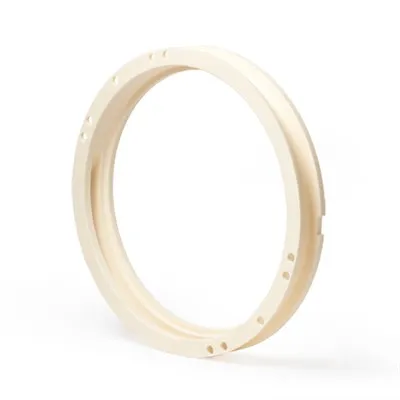
Ceramic Deposition Ring
Ceramic deposition rings are critical components in semiconductor manufacturing process, supporting the semiconductor substrate during deposition, ensuring precise material placement and uniformAdd to Inquiry -
![Aluminum Nitride Washers]()
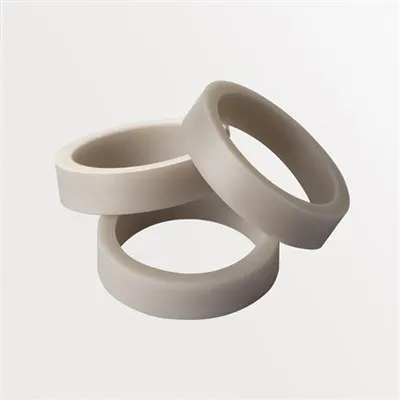
Aluminum Nitride Washers
Aluminum nitride gaskets are commonly used in applications where heat dissipation, electrical isolation and structural integrity are critical, such as in industries such as electronics, aerospace andAdd to Inquiry -
![Ceramic Chamber Ring]()
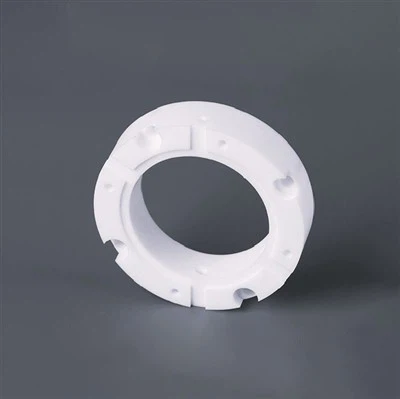
Ceramic Chamber Ring
Ceramic chamber rings can provide support, insulation and protection for semiconductor wafers. They are indispensable in semiconductor manufacturing with the following advantages:. - Improved thermalAdd to Inquiry -
![Aluminum Nitride Block]()
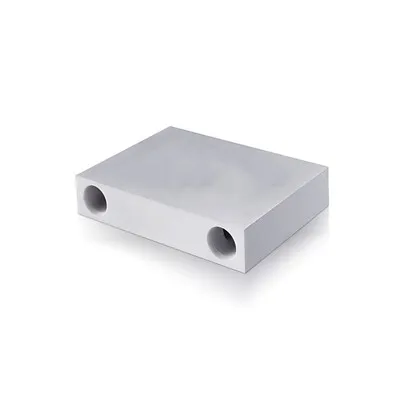
Aluminum Nitride Block
One of the most outstanding features of aluminum nitride is its excellent thermal conductivity, making it ideal for applications that require efficient heat dissipation. The applications of aluminumAdd to Inquiry -
![Small Ceramic Tubes]()
Small Ceramic Tubes
Small ceramic tubes have made great contributions to many fields such as electronics, metallurgy and laboratory research, and can be manufactured by extrusion, isostatic pressing, slip molding,Add to Inquiry -
![Ceramic Precision Components]()
Ceramic Precision Components
Ceramic precision components play a key role in various industries including aerospace, automotive, electronics and medical devices. Their characteristics are as follows:. - Excellent hardness andAdd to Inquiry -
![Ceramic Plunger Sleeve]()
Ceramic Plunger Sleeve
Ceramic plunger sleeves are usually made of alumina or zirconia. They are widely used in hydraulic systems where pressure and accuracy are critical, as well as metering and dosing systems, oil andAdd to Inquiry -
![Ceramic Machine Part]()
Ceramic Machine Part
Ceramic machine parts help improve performance and durability in various industries such as automotive, aerospace, medical equipment, machine manufacturing, etc. Their versatility is inseparable fromAdd to Inquiry -
![Ceramic Tubes for High Temperature]()
Ceramic Tubes for High Temperature
Ceramic tubes for high-temperature applications offer superior thermal stability, chemical resistance and mechanical strength, helping to increase the efficiency and reliability of industrialAdd to Inquiry -
![Cat Pump Ceramic Plungers]()
Cat Pump Ceramic Plungers
Cat pump ceramic plungers are made from advanced ceramics, often based on compounds such as aluminum oxide or silicon carbide. They have excellent hardness, wear resistance, thermal stability,Add to Inquiry



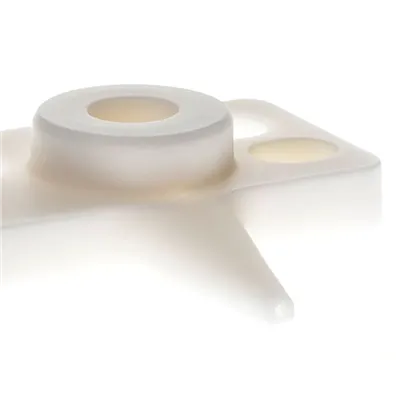
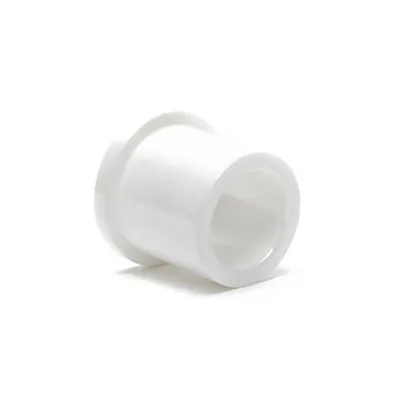
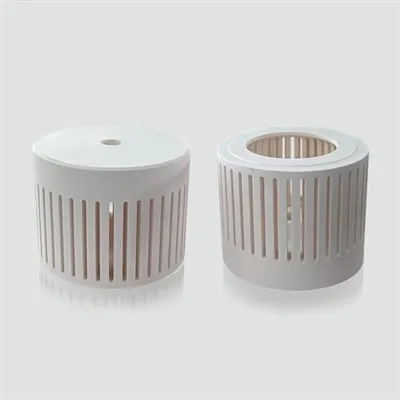
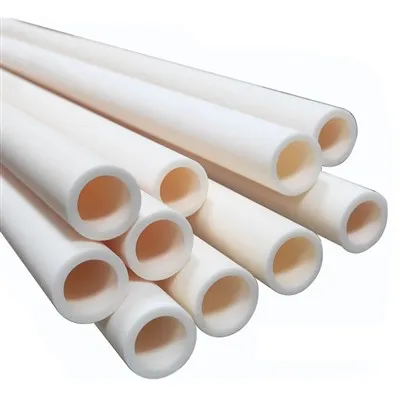
What Are Technical Ceramic Parts?
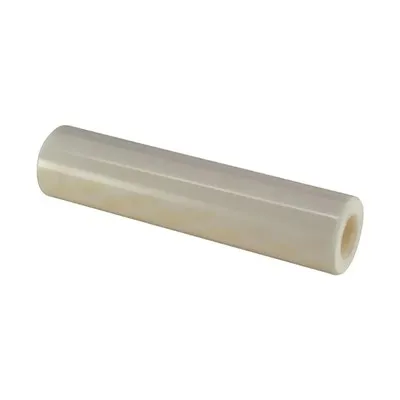
Technical Ceramic Parts are precision-engineered components manufactured from advanced ceramic materials such as alumina, zirconia, silicon carbide, silicon nitride, aluminum nitride, and boron nitride. These parts are designed to operate reliably in extreme environments involving high temperature, wear, corrosion, and electrical insulation requirements.
Compared with conventional metal or polymer components, ceramic parts offer superior thermal stability, excellent hardness, low friction, and outstanding chemical resistance. They are widely used in industries including semiconductor manufacturing, metallurgy, energy, chemical processing, electronics, and aerospace.
UNIPRETEC technical ceramic parts are produced through optimized material formulation, precision forming, and advanced machining processes to ensure dimensional accuracy, stable performance, and long service life for global industrial customers.

High Temperature & Thermal Stability
Technical ceramic parts maintain mechanical strength and dimensional stability under extreme high-temperature operating conditions.
Wear & Corrosion Resistance
Advanced ceramic materials provide excellent resistance to abrasion, chemical attack, and corrosive environments.
Precision Machining & Custom Design
UNIPRETEC supports complex geometries and tight tolerances based on customer drawings or application needs.
Industrial Reliability & Consistency
All ceramic parts are produced under strict quality control to ensure stable performance in demanding industrial applications.
Customization Services for Technical Ceramic Parts
UNIPRETEC provides comprehensive OEM & ODM customization services for technical ceramic parts, supporting a wide range of industrial applications with different material, structural, and performance requirements.
Ceramic Material Selection
- Alumina, zirconia, silicon carbide, silicon nitride
- Aluminum nitride & boron nitride options
- Material matched to thermal, wear, or electrical needs
Precision Machining & Tolerances
- CNC machining and fine grinding
- Complex shapes and tight dimensional control
- Support for small batch & mass production
Structural & Functional Customization
- Custom geometry based on drawings or samples
- Surface finish and functional features
- Design optimization for specific applications
OEM Branding & Industrial Supply
- OEM & ODM support for global customers
- Stable long-term supply capability
- Export-oriented packaging and logistics support
Common Types of Advanced Ceramic Parts
Engineered ceramic components designed for extreme temperature, wear, corrosion, and electrical insulation requirements across industrial applications

Alumina (Al₂O₃) Ceramic Parts
Alumina ceramic parts offer excellent hardness, wear resistance, and electrical insulation. They are widely used in electronic substrates, mechanical seals, wear liners, and high-temperature structural components.
Zirconia (ZrO₂) Ceramic Parts
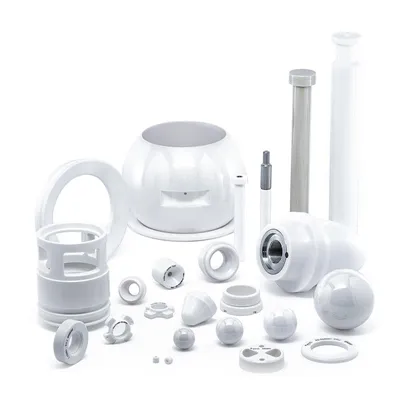
Zirconia ceramics are known for high fracture toughness, strength, and thermal shock resistance. These parts are ideal for precision mechanical components, valves, medical devices, and wear-resistant assemblies.
Boron Nitride (BN) Ceramic Parts
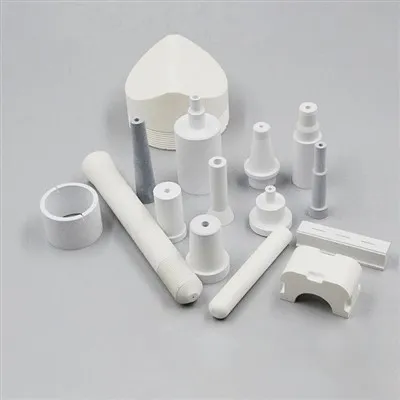
Hexagonal boron nitride ceramic parts feature excellent thermal shock resistance, high-temperature stability up to 2000°C, electrical insulation, and non-wettability to molten metals. They are commonly used in metallurgy, casting, and semiconductor processing.
Customization Process of Ceramic Parts
Application Requirement Analysis
We evaluate operating temperature, mechanical load, chemical exposure, electrical requirements, and service life expectations to select suitable ceramic materials.
Design & Specification Confirmation
Part drawings, tolerances, surface finish, material grade, and machining requirements are confirmed before tooling and sample fabrication.
Prototype & Sample Machining
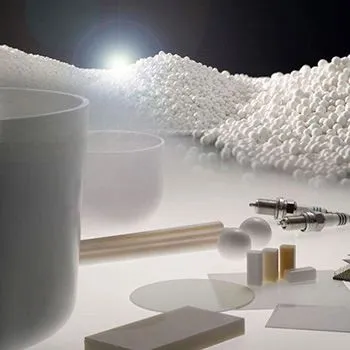
Precision ceramic samples are machined and sintered for dimensional verification and functional testing.
Material & Performance Testing
Testing covers density, hardness, thermal resistance, dielectric performance, and wear characteristics.
Batch Production
Approved designs enter stable mass production under controlled sintering and machining processes.
Final Inspection & Packaging
Each ceramic part undergoes dimensional inspection and quality verification before secure export packaging.
Technology First
Engineered ceramic solutions driven by material science and application expertise
High Hardness & Wear Resistance
Advanced ceramic parts exhibit exceptional hardness, often exceeding that of hardened steel. This makes them ideal for bearings, cutting tools, seals, and industrial wear components where long-term abrasion resistance and extended service life are critical.
High-Temperature Stability
Ceramic components maintain structural integrity and performance at temperatures exceeding 1000°C. This stability makes them suitable for extreme thermal environments such as furnaces, gas turbines, automotive engines, and aerospace systems.
Chemical Inertness
Advanced ceramics offer excellent resistance to chemical corrosion and oxidation. This property ensures reliable performance in aggressive chemical environments, making them widely used in chemical processing, semiconductor manufacturing, and laboratory equipment.
Electrical Insulation & Biocompatibility
Ceramic materials provide excellent electrical insulation and dielectric strength, making them essential in electronic and power applications. Certain advanced ceramics also exhibit high biocompatibility, enabling safe use in medical implants, dental components, and healthcare devices.
Applications of Ceramic Components
Advanced ceramics supporting high-performance industries worldwide
Electronics Industry
Ceramic components are widely used in electronic applications such as capacitors, resistors, substrates, sensors, and insulating components, where thermal stability and electrical insulation are essential.
Aerospace Industry
In aerospace applications, ceramic parts are used for their high-temperature resistance, low weight, and wear resistance in engines, thermal protection systems, and structural components.
Medical Applications
Biocompatible ceramic components are used in medical fields such as dental implants, bone substitutes, surgical tools, and precision medical devices.
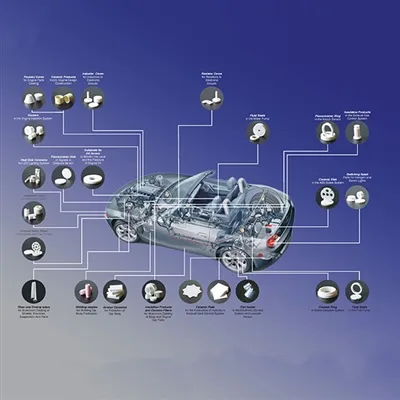
Automotive Industry
Ceramic materials are applied in automotive systems for wear resistance, high-temperature stability, and low friction, including engine components, exhaust systems, and braking applications.
FAQ of Ceramic Parts
Q: What are ceramic parts?
Q: What materials are commonly used for ceramic components?
Q: What are the main advantages of ceramic parts?
Q: Are ceramic parts stronger than metal components?
Q: Can ceramic components withstand high temperatures?
Q: Are ceramic parts resistant to chemical corrosion?
Q: Do ceramic parts provide electrical insulation?
Q: Can ceramic parts be customized?
Q: What industries commonly use ceramic components?
Q: Are ceramic parts suitable for medical applications?
Q: What ceramic parts are used in electronics?
Q: Are ceramic components wear-resistant?
Q: Can ceramic parts reduce maintenance costs?
Q: Are ceramic parts lightweight?
Q: How precise can ceramic parts be manufactured?
Q: Are ceramic parts brittle?
Q: Can ceramic parts operate in vacuum environments?
Q: Do ceramic parts require surface coatings?
Q: Can ceramic parts replace metal components?
Q: Are ceramic components environmentally friendly?
Q: What testing is performed on ceramic parts?
Q: Can ceramic parts handle thermal shock?
Q: What surface finishes are available for ceramic parts?
Q: Are ceramic parts suitable for high-speed applications?
Q: Do you offer OEM and ODM ceramic parts?
Q: Can samples be provided before mass production?
Q: What is the typical lead time for ceramic parts?
Q: Why choose your ceramic parts?
As one of the most professional ceramic parts manufacturers and suppliers in China, we're featured by good service and competitive price. Please rest assured to wholesale high quality ceramic parts for sale here from our factory.
