

High Temperature Ceramic
High operating temperature is a typical feature of advanced ceramics. In addition, the excellent thermal shock resistance and high strength under extreme temperatures make technical ceramics one of the best choices for demanding industrial applications.
Popular products include setter plates, furnace tubes, insulators, crucibles, and other high-temperature components designed to withstand harsh thermal environments while maintaining dimensional stability and reliability.
Our advanced ceramics are widely used in metallurgy, glass production, chemical processing, electronics, and high-temperature manufacturing industries. They are engineered to resist wear, corrosion, and thermal fatigue, ensuring long-term performance in critical applications.

01
Superior Thermal Resistance
Our high-temperature ceramics maintain structural integrity and mechanical strength at extreme temperatures, making them ideal for furnace components, crucibles, and high-heat industrial applications.
02
Excellent Thermal Shock Resistance
High-temperature ceramics resist rapid temperature changes without cracking or deforming, ensuring longevity and consistent performance in dynamic thermal environments.
03
High Mechanical Strength
These ceramics offer superior hardness, wear resistance, and fracture toughness, supporting heavy loads and abrasive processes in furnaces and high-temp production lines.
04
Wide Industrial Applications
High-temperature ceramics are suitable for metallurgy, glass, chemical, electronics, and energy industries. They improve operational efficiency, reduce maintenance, and withstand harsh production environments.
-
![Magnesium Stabilized Zirconia Ceramics]()
Magnesium Stabilized Zirconia Ceramics
Magnesium Stabilized Zirconia ceramic is made of stable zirconium oxide and natural baddeleyite, which are stabilized by special processes, and are made by wet pressing, high pressure molding, andAdd to Inquiry -
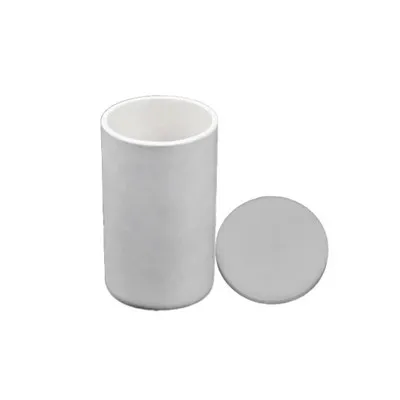
![Ceramic Crucible With Lid]()
Ceramic Crucible With Lid
Ceramic crucibles with lid allow better control of reactions and minimize contamination. They are designed to withstand extreme temperatures and corrosive environments, such as:. - Melting andAdd to Inquiry -
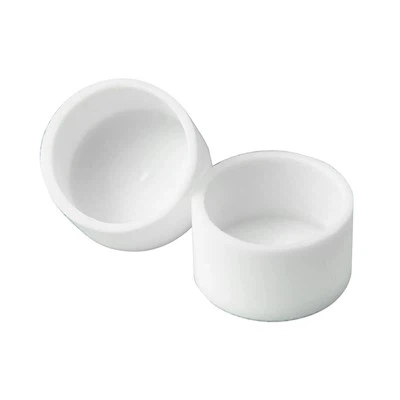
![Ceramic Sample Pans]()
Ceramic Sample Pans
Ceramic sample pans are essential lab and industrial tools.. 1. High-Temperature Resistance: They can endure extremely high temperatures without deforming, making them suitable for high-heatAdd to Inquiry -
![Thermocouple Ceramic Insulators]()
Thermocouple Ceramic Insulators
Material : A950, A990, BN-2000. Max. Use Temp. : 900-2,000 ℃. Density : 2.00-3.90 g/cm3. Electrical Insulation : Excellent.Add to Inquiry -
![Stud Welding Ceramic Ferrule]()
Stud Welding Ceramic Ferrule
Density : 2.3-2.4 g/cm3. Features : resistant to thermal. Max. Using Temp. : 1,200℃. Color : Brown, Grey, White.Add to Inquiry -
![Cordierite Ceramic]()
Cordierite Ceramic
Density : 2.3-2.4 g/cm3. Features : thermal shock resistance. Max. Using Temp. : 1,200℃. Color : Brown, Grey, White.Add to Inquiry -
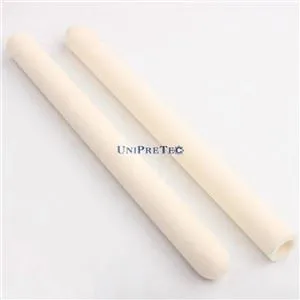
![Extruded Ceramic Tube]()
Extruded Ceramic Tube
Material : Al2O3 Ceramic. Purity : 90-99.7%. Density : 3.65-3.90 g/cm3. Max. Service Temperature : 1400-1800 degree CAdd to Inquiry -
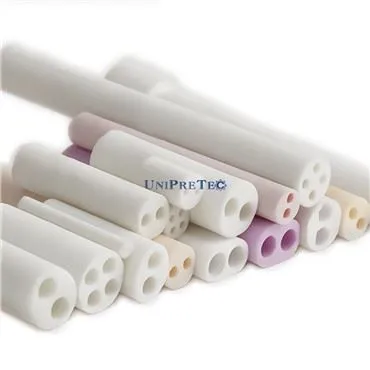
![Thermocouple Ceramic Tube]()
Thermocouple Ceramic Tube
Material : AL2O3, BN, SI3N4, ZRO2. Max. Service Temperature : 1000-2000 degree C. Colour : Black, Ivory, White, Grey. Density : 2.00-6.00 g/cm3Add to Inquiry -
![Ceramic Protection Tube]()
Ceramic Protection Tube
Material : Al2O3, BN, Si3N4, ZrO2. Purity : 90-99.7%. Density : 2.00-5.95 g/cm3. Max. Service Temp. : 1,200-2,000 degree CAdd to Inquiry -
![Alumina Furnace Tube]()
Alumina Furnace Tube
Material : Al2O3 Ceramic. Purity : 90-99.7%. Density : 3.65-3.90 g/cm3. Max. Service Temperature : 1400-1800 degree CAdd to Inquiry -
![Alumina Tube Closed One End]()
Alumina Tube Closed One End
Material : Al2O3 Ceramic. Purity : 80-99.7%. Density : 3.50-3.90 g/cm3. Max. Service Temperature : 1000-1800 degree CAdd to Inquiry



High-temperature ceramics are engineered materials designed to withstand extreme heat while maintaining structural integrity, thermal shock resistance, and high mechanical strength. These ceramics are commonly used in applications where conventional materials fail under high-temperature conditions.
Our product range includes setter plates, furnace tubes, insulators, crucibles, and other technical ceramic components. Each piece is manufactured according to specific operating conditions such as temperature range, load, chemical exposure, and desired service life, ensuring reliability in demanding industrial environments.
By combining advanced ceramic formulations, precision sintering, and strict quality control, we ensure that every high-temperature ceramic component delivers long-lasting performance, high durability, and reduced maintenance in industries such as metallurgy, glass manufacturing, chemical processing, electronics, and energy production.

Product Key Types

Extruded Ceramic Tube
High-precision extruded ceramic tubes for high-temperature applications, ensuring uniform wall thickness and excellent thermal stability.
Manufactured with advanced extrusion processes, they provide superior dimensional accuracy and long-term durability under extreme heat.
Widely used in furnace systems, kilns, and high-temperature industrial processing lines.
Stud Welding Ceramic Ferrule
Ceramic ferrules designed for stud welding applications, providing excellent insulation and resistance to thermal shock.
High wear resistance and chemical stability ensure consistent performance in harsh industrial environments.
Ideal for precision welding, electronic assembly, and high-temperature processing equipment.


High-Temperature Ceramic OEM / ODM One-Stop Service
UNIPRETEC, founded in 2014, is a leading technical ceramic company in China. Leveraging a team with over 10 years of experience and collaborations with top domestic universities and research institutes, we specialize in the manufacturing and sales of oxide, nitride, and carbide ceramic products.
Our expertise in high-temperature ceramics enables us to provide tailored solutions based on your specific applications and performance requirements. From prototype development to mass production, our OEM/ODM services ensure high thermal stability, mechanical strength, and reliable performance for industrial applications worldwide.
Over the years, UNIPRETEC has focused on delivering quality products and services to customers around the globe. Recognition and praise from our partners continue to drive our innovation and commitment to advancing the technical ceramics industry.
Ceramic Design & Development
Professional R&D support from material selection, thermal simulation, to prototype fabrication and testing of high-temperature ceramics.
Customized Ceramic Manufacturing
Flexible OEM and ODM production of oxide, nitride, and carbide ceramic components based on your specifications, drawings, or samples.
Precision Quality Control
Strict inspection, sintering control, and thermal testing to ensure stability, high durability, and compliance with international standards.
Packaging & Global Delivery
Customized packaging and worldwide shipping solutions for fragile high-temperature ceramic products.
Maintenance of High-Temperature Ceramic Components
Proper maintenance of high-temperature ceramic components ensures thermal stability, extended service life, and reliable performance in demanding industrial environments.
Routine Inspection & Cleaning
Regular inspection is essential. Check for surface cracks, chips, and mounting stability. Remove residues or dust carefully to prevent thermal stress and performance degradation. Follow industry-specific safety protocols for cleaning high-temperature ceramics.
Thermal Stress & Preventive Maintenance
Monitor thermal cycling and stress limits to avoid cracking or deformation. Preventive programs should include inspection of fixtures, heating elements, and alignment to ensure long-term reliability.
UNIPRETEC, founded in 2014, specializes in high-temperature ceramic manufacturing, integrating R&D, precision production, and technical service. Our advanced sintering furnaces and machining lines allow for reliable, high-performance ceramic components.
Through collaboration with leading international brands, UNIPRETEC delivers tailored ceramic solutions, focusing on durability, thermal efficiency, and optimized performance for global industrial applications.
Manufacturing Strength
Advanced sintering furnaces and precision machining ensure consistent quality and output of high-temperature ceramic products.
Technical Capability
Experienced engineers provide material selection, thermal simulation, and application optimization for high-temperature ceramic solutions.
Global Cooperation
Trusted by partners worldwide, UNIPRETEC provides reliable high-temperature ceramic components and long-term technical support.

UNIPRETEC high-temperature ceramic components are widely used in industries requiring thermal stability, wear resistance, and precise performance under extreme conditions. Typical applications include advanced electronics, high-temperature furnaces, chemical processing, aerospace, and energy equipment.
High-Temperature Furnaces
Ceramic components designed to withstand extreme heat, thermal cycling, and corrosive atmospheres, ensuring long-term furnace efficiency.
Chemical & Energy Equipment
High-performance oxide, nitride, and carbide ceramics resist corrosion, wear, and thermal stress in chemical reactors and power systems.
Aerospace & Advanced Electronics
Engineered ceramics provide thermal insulation, mechanical strength, and electrical stability for aerospace components, semiconductors, and precision instruments.
FAQ

01.What is High-Temperature Ceramic?
02.What types of High-Temperature Ceramics does UNIPRETEC produce?
03.What industries use High-Temperature Ceramics?
04.What are the advantages of High-Temperature Ceramics?
05.Can High-Temperature Ceramics be customized?
06.How resistant are they to thermal shock?
07.Can High-Temperature Ceramics be used in chemical environments?
08.What temperature range can they withstand?
09.Are High-Temperature Ceramics electrically insulating?
10.Can High-Temperature Ceramics be used in aerospace?
11.Are these ceramics wear-resistant?
12.How precise can ceramic components be manufactured?
13.Can they replace metal components?
14.How are High-Temperature Ceramics tested?
15.Can ceramics be machined after sintering?
16.Are High-Temperature Ceramics eco-friendly?
17.What is the typical service life?
18.Can ceramics be joined or assembled?
19.Are they compatible with automation systems?
20.Can High-Temperature Ceramics withstand mechanical shock?
21.How should High-Temperature Ceramics be stored?
22.Can ceramics be coated for additional properties?
23.Are ceramics suitable for vacuum environments?
24.Can High-Temperature Ceramics be 3D printed?
25.How do I select the right ceramic material?
26.Can ceramics be machined into complex shapes?
27.Are ceramics safe for food and medical applications?
28.Can ceramics reduce energy consumption?
29.How do I maintain High-Temperature Ceramics?
30.Where can I get technical support for High-Temperature Ceramics?
As one of the most professional high temperature ceramic manufacturers and suppliers in China, we're featured by good service and competitive price. Please rest assured to wholesale high quality high temperature ceramic for sale here from our factory.
