A high-temperature furnace is an industrial device designed to operate at extreme temperatures, typically ranging from 1000°C (1832°F) to over 3000°C (5432°F), depending on the application. These furnaces are used in various industries, including metallurgy, ceramics, electronics, and material testing, to process or heat-treat materials.
Key features of high-temperature furnaces include advanced insulation materials, precise temperature controls, and robust construction to withstand thermal stresses.

Advantages of Boron Nitride Insulators For High-temp Furnace
High-temperature furnaces with temperatures above 1500°C usually use heating elements made of carbon, tungsten or molybdenum. These elements are electrically insulated from the furnace wall using high-temperature oxide ceramics, such as aluminum oxide ceramics.
However, in order to improve production efficiency, short production cycles are becoming more and more urgent, which requires furnaces to provide faster heating and cooling rates.
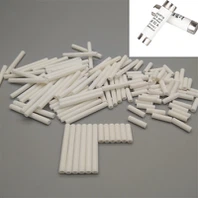
Alumina ceramicinsulators are very good insulating materials that can withstand temperatures up to 1650°C and can resist corrosion from the atmosphere in the furnace. However, its thermal shock resistance is poor. The rapid heating and cooling rates put alumina ceramic insulators under great pressure, causing problems such as cracks in alumina ceramics, which in turn lead to premature failure of furnace components and extended furnace downtime. This brings a lot of maintenance needs.

Compared with traditional alumina materials, ceramic components made of hexagonal boron nitride (BN) have a much longer working life. Boron nitride ceramics are also very good electrical insulating materials, with a maximum resistance of 1900°C in a vacuum environment and a maximum resistance of 2100°C under inert gas, which is very suitable for heat treatment of extremely high temperature furnaces. At the same time, boron nitride materials have better thermal shock resistance than alumina materials and can withstand relatively fast heating and cooling rates to shorten the production cycle of the furnace. Commonly used in vacuum furnaces, hot pressing sintering furnaces, and hot isostatic pressing furnaces.

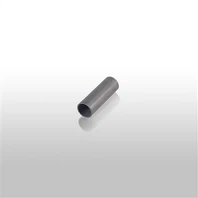
Unipretec provides precised machining boron nitride sleeves, tubes, washers, insulators, insulating plates, spools, flanges and other parts subjected to high thermal stresses – to suit customer specific requirements.
Unipretec provides various boron nitride material types:
– Pyrolytic Boron Nitride: 99.99% Boron Nitride
– BN1700: >99.7% Boron Nitride
– BN2000: >99% Boron Nitride
– BN2300: Boron Nitride + Aluminum Oxide
– BN2500: Boron Nitride + Silicon Carbide
– BN2800: Boron Nitride + Aluminum Nitride
– BN3000: Boron Nitride + Zirconium Oxide

Contact Information
If you have any questions about products or services, please contact us immediately and we will reply to you within the first time.
Address: No.153, Yuehua Road, Huli District, Xiamen, China
Tel: +0086 18650119402
Email: info@unipretec.com