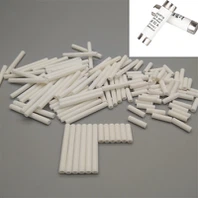
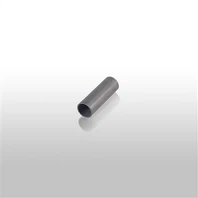
Introduction to Alumina Ceramic
Properties of Alumina Ceramic
Alumina ceramic is a type of advanced ceramic that is primarily composed of aluminum oxide. It exhibits the following key properties:
- High Hardness
Alumina ceramic is known for its exceptional hardness, making it one of the hardest engineering ceramics. This property makes it highly resistant to wear and abrasion.
- Excellent Wear Resistance
Due to its high hardness, alumina ceramic offers outstanding resistance to wear and can withstand harsh operating conditions.
- High Temperature Stability
Alumina ceramic can withstand elevated temperatures, making it suitable for applications in high-temperature environments.
- Electrical Insulation
It possesses excellent electrical insulation properties, making it valuable in electronic applications.
- Chemical Inertness
Alumina ceramic is resistant to many chemical substances, providing durability in corrosive environments.
Applications of Alumina Ceramic
Alumina ceramic is utilized in various industries and applications, including:
1. Electronics
Substrates, insulators, and components for electronic devices.
2. Automotive
Components for engines, sensors, and cutting tools.
3. Aerospace
Bearings, seals, and components for aerospace applications.
4. Medical
Orthopedic implants, dental components, and surgical instruments.
5. Industrial
Wear-resistant components, cutting tools, and insulating elements.
Common Machining Processes for Alumina Ceramic
Machining alumina ceramic requires specialized techniques due to its hardness and brittleness. Several common machining processes are employed:
Grinding
1. Surface Grinding
This process is used to achieve tight tolerances and smooth surface finishes. It involves using abrasive wheels to remove material from the surface of the ceramic.
2. Cylindrical Grinding
Similar to surface grinding, but focused on the external cylindrical surfaces of the ceramic component.
3. Centerless Grinding
This process does not require a spindle or fixture to hold the workpiece, making it suitable for long, thin components.
Diamond Cutting
1. Diamond Sawing
Utilizes diamond-coated blades to cut alumina ceramic into desired shapes. This method is particularly useful for producing thin, flat components.
2. Wire EDM (Electrical Discharge Machining)
Uses a thin wire electrode to cut through the ceramic by spark erosion.
Drilling
1. Diamond Core Drilling
Employs diamond-coated tools to create holes in alumina ceramic. It is crucial for applications requiring precise holes with tight tolerances.
2. Ultrasonic Drilling
Uses ultrasonic vibrations to assist in the drilling process, reducing the risk of chipping or cracking.
Challenges in Alumina Ceramic Machining
High Hardness
The extreme hardness of alumina ceramic makes it resistant to conventional machining techniques, necessitating the use of specialized tools and processes.
Brittleness
Alumina ceramic is brittle, making it prone to cracking or chipping during machining operations if not handled properly.
Tool Wear
Machining tools used on alumina ceramic tend to wear out quickly due to the abrasive nature of the material, leading to increased tool replacement costs.
Heat Generation
The machining process generates heat, which can lead to thermal stress and potential cracking of the ceramic material.
Techniques to Overcome Machining Challenges
1. Specialized Cutting Tools
The use of diamond-coated tools or tools made from cubic boron nitride (CBN) can significantly improve machining efficiency and tool life.
2. Coolant and Lubrication
Utilizing coolants and lubricants during machining helps dissipate heat and reduce thermal stress on the ceramic material.
3. Minimize Tool Engagement
Reducing the depth of cut and avoiding aggressive cutting speeds can help prevent tool wear and minimize the risk of thermal stress.
4. Proper Fixturing and Clamping
Securely holding the workpiece in place minimizes vibrations and ensures stability during machining operations, reducing the risk of chipping or cracking.
Conclusion
Alumina ceramic machining is a specialized process that requires careful consideration of its unique properties. With the right techniques and tools, it is possible to achieve precise and high-quality components from this exceptional engineering material. By understanding the challenges and implementing appropriate strategies, manufacturers can harness the full potential of alumina ceramic for a wide range of applications across various industries.