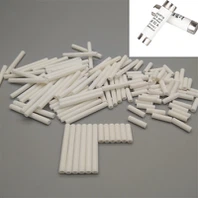
Zirconia ceramic, also known as zirconium dioxide (ZrO2), is a remarkable material with a wide range of applications. One of its key properties is its low thermal conductivity, which refers to its ability to conduct heat. This article aims to provide an overview of the low thermal conductivity of zirconia ceramic, discussing its properties, the factors influencing thermal conductivity, measurement techniques, and its applications in various fields.
Properties of Zirconia Ceramic
Zirconia ceramic exhibits several unique properties that contribute to its low thermal conductivity. It possesses a crystal structure that allows for weak thermal vibrations, hindering the transfer of heat energy. The presence of oxygen vacancies within the crystal lattice structure also contributes to its low thermal conductivity. Moreover, ZrO2 ceramic is a poor conductor of electricity, further supporting its low thermal conductivity.
Factors Influencing Thermal Conductivity of Zirconia
Several factors influence the thermal conductivity of zirconia ceramic. The crystal phase is a significant factor, as zirconia can exist in three primary phases: monoclinic, tetragonal, and cubic. The different crystal structures affect the arrangement of atoms and their vibrations, leading to variations in thermal conductivity. The tetragonal phase, stabilized by the addition of elements like yttrium oxide (Y2O3), exhibits the lowest thermal conductivity among the phases.
The presence of impurities, defects, and grain boundaries also affects thermal conductivity. Impurities and defects disrupt the regular lattice structure, hindering the flow of heat. Additionally, grain boundaries act as barriers to heat transfer. The size, distribution, and concentration of these factors within the zirconia ceramic material significantly impact its thermal conductivity.
Measurement Techniques of Thermal Conductivity
Various techniques are employed to measure the thermal conductivity of zirconia ceramic. The most commonly used method is the steady-state method, where a heat source is applied to one side of the sample, and the temperature difference across the sample is measured. This method allows for accurate determination of thermal conductivity by considering the sample's dimensions and the amount of heat applied.
Other techniques, such as the transient plane source method and the laser flash method, are also used to measure the thermal conductivity of zirconia ceramic. These methods involve the generation and measurement of heat pulses to determine thermal conductivity. Each technique has its advantages and limitations, and the choice of method depends on the specific requirements of the experiment.
Low Thermal Conductivity Applications of Zirconia
The low thermal conductivity of zirconia ceramic holds significant importance in various applications. It is a desirable characteristic in situations where heat insulation and thermal barrier properties are required. Some key areas where the low thermal conductivity of zirconia ceramic is advantageous include:
1. Thermal Barrier Coatings (TBCs);
ZrO2's low thermal conductivity makes it an ideal material for TBCs in gas turbine engines. These coatings insulate and protect the underlying metal components from high operating temperatures, enhancing engine efficiency and durability.
2. Insulation Materials;
The ZrO2 ceramic is used as an insulating material in various industries. Its low thermal conductivity allows for effective heat insulation, making it suitable for furnace linings, kiln furniture, and thermal insulators.
3. Biomedical Applications;
Zirconia ceramic is employed in dental and orthopedic applications due to its low thermal conductivity. It can provide thermal insulation for dental implants and artificial joints, minimizing heat transfer between the implant and the surrounding tissues.
4. Thermal Management Systems.
ZrO2's low thermal conductivity is beneficial in thermal management systems, such as heat sinks and electronic packaging. It helps dissipate heat efficiently, preventing overheating and maintaining optimal operating conditions.
To conclude, the low thermal conductivity of zirconia ceramic is a remarkable property that finds widespread applications across various industries. Its unique crystal structure, presence of impurities and defects, and grain boundaries contribute to its low thermal conductivity. As research and technological advancements continue, ZrO2 ceramic's low thermal conductivity will continue to play a crucial role in diverse applications, enhancing efficiency, performance, and safety in numerous industries.