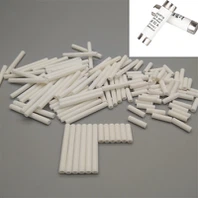
The term "technical ceramics" encompasses a wide range of ceramic materials that are tailored for use in various industrial, electronic, automotive, medical, and aerospace applications. Here introduces their exceptional characteristics:
Mechanical Strength and Hardness
One key characteristic of technical ceramics is their exceptional mechanical strength and hardness. These materials often possess a high resistance to wear and abrasion, making them ideal for applications where durability and longevity are crucial. Unlike traditional ceramics, technical ceramics are typically manufactured through advanced processing techniques, such as sintering and hot pressing, to achieve precise and controlled material properties.
Thermal Stability
Another significant attribute of technical ceramics is their excellent thermal stability. These ceramics can withstand extreme temperatures without undergoing significant deformation or degradation. This makes them suitable for use in applications where thermal resistance is essential, such as in the manufacturing of furnace components, cutting tools, and thermal insulators.
Excellent Electrical Properties
The electrical properties of technical ceramics also contribute to their widespread use in electronic and semiconductor industries. Some ceramics are very good at keeping electricity from flowing, conducting heat, and being dielectric, which is why they are used to make insulators, capacitors, and electronic parts. Some technical ceramics are also piezoelectric, which means they can turn mechanical stress into electrical signals. This makes them useful in sensors, actuators, and ultrasound devices.
Chemical Resistance
Chemical resistance is another critical aspect of technical ceramics. These materials are often inert to corrosive substances, making them suitable for use in chemical processing, oil and gas exploration, and medical implants. Technical ceramics can withstand exposure to harsh chemicals, acids, and bases, ensuring reliability and longevity in challenging environments.
Technical Ceramics for Medical Industry
The versatility of technical ceramics extends to their use in the medical field. Alumina and zirconia are examples of biocompatible ceramics that are used in orthopedic implants and dental work because they are strong and do not wear down easily. The inert nature of these ceramics minimizes the risk of adverse reactions within the human body.
Technical Ceramics for Aerospace and Automotive
The aerospace and automotive industries also benefit from the unique properties of technical ceramics. These materials are employed in components such as engine parts, bearings, and brake systems due to their lightweight nature, high strength, and resistance to extreme conditions. The use of technical ceramics contributes to fuel efficiency, reduced wear and tear, and improved overall performance in these demanding applications.
In short, the versatility of technical ceramics makes them indispensable in a wide range of industries, from electronics and automotive to medical and aerospace. As technology continues to advance, the development and application of technical ceramics will likely expand, further pushing the boundaries of what is achievable in various fields.