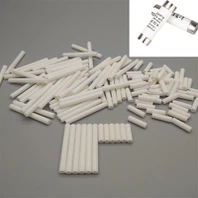
When using alumina ceramic tubes for tube furnaces, it's important to observe certain precautions to ensure safe and effective operation. Here are some general guidelines.
1. Temperature Range
Ensure that the selected alumina ceramic tube can withstand the temperature range required for your tube furnace. Alumina ceramic tubes are known for their high-temperature resistance, but it's crucial to check the specific temperature limits specified by the manufacturer.
2. Thermal Shock
Avoid rapid temperature changes, as this can cause thermal shock and lead to the cracking of alumina ceramic tubes. Gradually heat and cool the tubes to the target temperature to minimize the risk of thermal shock.
3. Chemical Compatibility
Confirm that the alumina ceramic tube is compatible with the chemicals and materials used in your experiments or processes. Alumina is generally chemically inert, but it's essential to verify its compatibility with specific substances.
4. Cleaning
Ensure that the alumina ceramic tube is clean and free of any residues before use to prevent contamination of samples or unwanted chemical reactions. Follow appropriate cleaning procedures recommended by the manufacturer.
5. Mechanical Damage
Handle the ceramic tubes with care to avoid mechanical damage. Alumina ceramic is relatively brittle, so be cautious during installation, adjustment, and handling to prevent breakage.
6. Proper Installation
Install the alumina ceramic tubes correctly in the tube furnace to ensure stability and safety during operation. Follow the manufacturer's guidelines for installation procedures.
7. Regular Inspection
Periodically inspect the alumina ceramic tubes for any signs of wear, cracks, or other damage. If any issues are detected, replace the tubes promptly to avoid compromising experimental results or creating safety hazards.
8. Use Suitable Tools
When moving or adjusting alumina ceramic tubes, use appropriate tools to avoid applying excessive force, which could lead to breakage.
9. Protective Atmosphere
If your experiments involve reactive gases, consider whether a protective atmosphere is necessary to prevent oxidation or other chemical reactions that may affect the alumina ceramic tubes.
Always refer to the manufacturer's instructions and guidelines for the specific alumina ceramic tubes you are using, as details may vary based on the product specifications. Following these precautions will contribute to the safe and effective use of alumina ceramic tubes in tube furnaces.