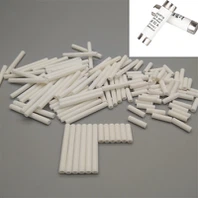
Alumina ceramic, also known as aluminum oxide or Al2O3, is a high-performance material known for its excellent mechanical and thermal properties. It is often used in applications that require high wear resistance, such as cutting tools, ball bearings, and abrasive components. When it comes to cutting alumina ceramic, there are several methods you can employ, each with its own advantages and challenges.
1. Diamond Saw Blades
One of the most effective methods for cutting alumina ceramic is using diamond saw blades. Diamond is one of the hardest materials on Earth and is capable of cutting through alumina ceramic with precision. Wet cutting is often recommended when using diamond blades to minimize heat generation and reduce the risk of cracking due to thermal stress. Additionally, the use of a coolant during the cutting process helps to dissipate heat and prolong the life of the diamond blade.
2. Abrasive Waterjet Cutting
Abrasive waterjet cutting is another effective technique for cutting alumina ceramic. In this method, a high-pressure stream of water mixed with abrasive particles is used to erode and cut through the ceramic material. This process is advantageous because it generates minimal heat and does not produce any thermal stress on the material. However, the setup for abrasive waterjet cutting can be complex, and the equipment may be expensive.
3. Laser Cutting
Laser cutting is a non-contact method that uses a focused laser beam to melt or vaporize the alumina ceramic. This technique provides high precision and can be suitable for intricate designs. However, the success of laser cutting depends on the specific type of alumina ceramic and its thickness. It's essential to choose the appropriate laser wavelength and power for optimal results.
4. Grinding and Abrasive Tools
Grinding wheels and abrasive tools can be used to cut alumina ceramic. However, this method is generally slower than other cutting methods and may generate more heat, increasing the risk of thermal stress and cracks. It's crucial to use abrasives specifically designed for hard ceramics and to employ a gradual approach to avoid sudden pressure on the material.
5. Ultrasonic Machining
Ultrasonic machining utilizes ultrasonic vibrations to abrade the alumina ceramic. A tool, typically made of tungsten carbide or diamond, is ultrasonically vibrated against the ceramic surface, removing material through a combination of abrasion and impact. This method is suitable for intricate shapes but may not be as fast as some other cutting techniques.
6. Plasma Cutting
Plasma cutting involves the use of a high-temperature, ionized gas (plasma) to melt and cut through the alumina ceramic. While plasma cutting can be effective, it may lead to thermal stress, and the equipment required can be expensive.
In conclusion, cutting alumina ceramic requires careful consideration of the specific properties of the material and the desired outcome. The choice of cutting method depends on factors such as precision requirements, material thickness, and available equipment. It's essential to follow proper safety procedures, use suitable tools and abrasives, and, in some cases, employ cooling techniques to minimize the risk of thermal stress and cracking during the cutting process.