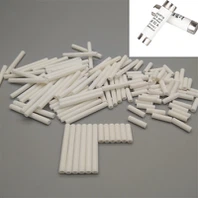
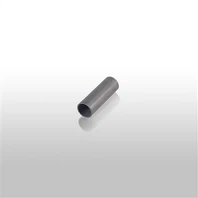
Extrusion is a widely employed ceramic forming process that involves the forcing of a ceramic paste or plasticized clay through a shaped orifice to produce a continuous form with a consistent cross-section. This method is particularly suitable for producing complex shapes, such as tubes, rods, and various profiles, making it a versatile and efficient technique in the ceramic industry.
Preparation of Ceramic Paste
The extrusion ceramic process typically begins with the preparation of a ceramic paste, which is a blend of finely milled raw materials, water, and additives. The mixture is homogenized to achieve a consistent composition and plasticity suitable for extrusion. The plasticized clay or paste is then fed into a chamber of an extruder, a machine designed for this purpose.
Components of Extruder
The heart of the extrusion process is the extruder itself. This machine consists of a screw, a barrel, and a die. The screw rotates within the barrel, pushing the ceramic paste forward. As the paste moves through the barrel, it undergoes a combination of pressure, shear, and temperature, resulting in the homogenization of the material and the elimination of air pockets.
Extruder Mold
The extruder's die is a critical component that determines the final shape of the extruded ceramic product. Dies come in various shapes and sizes, allowing for a diverse range of profiles to be produced. The extruded material emerges continuously from the die in the desired cross-sectional shape, and it is then cut into specific lengths.
Advantages of Extrusion Process
One of the advantages of the extrusion process is its ability to produce high volumes of uniform, intricate shapes with relatively low production costs. This makes it a preferred method for the mass production of ceramic products like bricks, tiles, pipes, and more. Additionally, the process allows for the incorporation of various additives and colorants, providing flexibility in achieving specific material properties and aesthetic characteristics.
Challenges of Extrusion
Despite its advantages, challenges may arise during the extrusion ceramic process. The rheological properties of the ceramic paste, such as its viscosity and plasticity, must be carefully controlled to ensure proper extrusion and shape retention. Moreover, the drying and firing steps that follow extrusion are crucial for achieving the final product's desired properties.
In conclusion, extrusion is a vital ceramic forming process, offering versatility, efficiency, and cost-effectiveness in the production of a wide array of ceramic products. Its ability to create complex shapes with precision makes it a cornerstone in the ceramics industry, contributing significantly to the manufacturing of diverse and essential products for various applications.