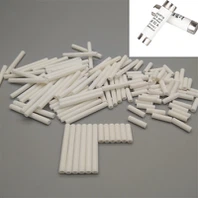
Alumina and zirconia ceramics have emerged as promising materials in the field of joint replacements, offering superior biocompatibility and mechanical properties compared to traditional materials like metal alloys. These ceramics are predominantly used in the fabrication of components for hip and knee joint replacements due to their excellent wear resistance, low friction, and durability.
Advantages of Alumina Ceramic
Alumina ceramics, primarily composed of aluminum oxide, have been utilized in orthopedic implants since the 1970s. One of the key advantages of alumina is its exceptional hardness, which minimizes wear and tear over time. This characteristic is crucial in joint replacements, as it reduces the risk of implant failure and prolongs the lifespan of the artificial joint. Alumina ceramics also exhibit high biocompatibility, ensuring minimal adverse reactions within the body.
Advantages of Zirconia Ceramic
Zirconia ceramics, composed mainly of zirconium dioxide, have gained popularity in recent years as an alternative to alumina. Zirconia offers a unique combination of high strength, toughness, and biocompatibility. Its superior fracture toughness makes it less prone to cracking, addressing a limitation seen in some alumina implants. Additionally, zirconia has a lower elastic modulus, closer to that of natural bone, which can contribute to better stress distribution in the implanted joint.
The use of ceramics in joint replacements is particularly advantageous in minimizing friction and wear between articulating surfaces. This is crucial in reducing the release of wear debris, a common issue with metal-on-metal or metal-on-polyethylene implants, which can lead to inflammation and osteolysis over time. The low wear rate of alumina and zirconia ceramics helps mitigate these concerns, offering a more reliable and long-lasting solution.
However, challenges exist in the manufacturing of ceramic joint components, as they require precise engineering to achieve the desired mechanical properties. Additionally, concerns about the brittleness of ceramics and the potential for implant fractures have led to ongoing research to improve the design and fabrication processes. Advances in materials science and manufacturing techniques aim to enhance the reliability of ceramic joint replacements, ensuring their safety and efficacy in clinical applications.
In conclusion, alumina and zirconia ceramics have revolutionized the landscape of joint replacements, providing orthopedic surgeons with materials that combine excellent mechanical properties with high biocompatibility. The ongoing research and development in this field continue to refine these materials, offering the promise of even more durable and effective joint replacement solutions in the future.