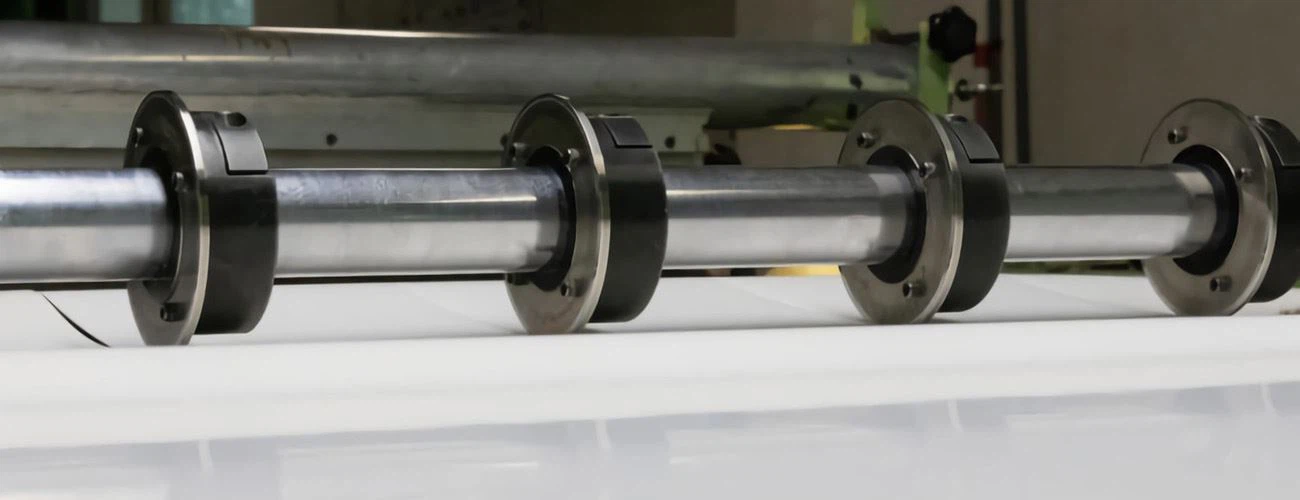
The tape casting method was first applied in the fields of papermaking, paint and plastics. It is a molding technology with a long history. It has the characteristics of simple equipment, continuous operation, high production efficiency, and uniform properties of the green body. With the research and development of technology, the tape casting method has become the main way to produce and prepare alumina ceramic substrates and aluminum nitride ceramic substrates. Among them, the water-based tape casting and the water-based gel tape casting are the two most common.
▼ Water-based Tape Casting Process
Water-based tape casting slurry is a relatively complex system, mainly composed of ceramic powder, water, dispersant, binder, plasticizer and other additives. The water-based tape casting system overcomes the disadvantages of the organic casting system, such as environmental hazard, high cost, and low finished product density, and is suitable for large-scale production. However, the water-based tape casting has the following main problems: the solvent evaporation rate is low; the blank shrinkage rate is large when the binder content is high; the powder is more agglomerated due to the existence of hydrogen bonds; the blank is sensitive to changes in process parameters, the quality of the film is low; the blank is brittle and easy to crack when dry.
▼ Water-based Gel Tape Casting Process
The water-based gel tape casting process is to use the principle of organic monomer polymerization for casting. In this method, ceramic powder, dispersant and plasticizer are added to a mixed solution of organic monomer and crosslinking agent to prepare a concentrated suspension with low viscosity and high solid volume fraction (volume fraction greater than 50%). Then after adding the initiator and catalyst, the temperature is controlled and the monomer is initiated to polymerize, so that the viscosity of the suspension increases, so that in-situ solidification and molding occur, and finally a body with a certain strength and suitable for machining is prepared.