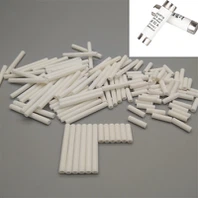
Zirconia, a versatile and advanced ceramic material, has gained widespread recognition and adoption across various industries due to its exceptional properties and advantages. This high-performance material is a compound of zirconium dioxide (ZrO2) and exhibits unique characteristics that make it highly desirable in fields ranging from dentistry to electronics and beyond. Here we discuss the main advantages of zirconia, shedding light on its applications and contributions to diverse industries.
Excellent Mechanical Properties
One of the primary advantages of zirconia is its exceptional mechanical properties. Zirconia ceramics possess a high hardness, making them resistant to wear and abrasion. This property makes zirconia an ideal choice for applications where durability and longevity are crucial, such as in the manufacturing of cutting tools and industrial components. Its remarkable strength and toughness also make zirconia an excellent material for engineering components subjected to high-stress environments.
Biocompatibility
In the dental field, zirconia has become a preferred material for dental crowns and bridges. Its biocompatibility, coupled with its tooth-colored appearance and durability, makes it an attractive option for restorative dentistry. Unlike traditional materials, zirconia crowns offer a natural aesthetic appeal, blending seamlessly with natural teeth. Furthermore, its resistance to corrosion ensures a longer lifespan for dental prosthetics, providing patients with a reliable and aesthetically pleasing solution.
High Ionic Conductivity
Zirconia's electrical properties are another key advantage, particularly in the realm of electronics and technology. Zirconia exhibits high ionic conductivity at elevated temperatures, making it suitable for applications in solid oxide fuel cells. These fuel cells, utilizing zirconia electrolytes, offer a clean and efficient way to generate electricity by converting chemical energy directly into electrical energy. This has significant implications for the development of sustainable energy solutions.
Low Thermal Conductivity
Another notable advantage of zirconia is its low thermal conductivity. This property makes it an excellent insulating material, finding applications in the production of insulating layers for electronic devices. In electronic packaging, zirconia is used to create thermal barriers, preventing the unwanted dissipation of heat and ensuring the efficient operation of electronic components. Its thermal insulation properties also contribute to its use in high-temperature environments, such as refractory applications in the aerospace and manufacturing industries.
Wear and Corrosion Resistance
Zirconia's versatility extends to the medical field, where it is employed in the manufacturing of implants. Its biocompatibility, coupled with its high strength and resistance to corrosion, makes it an ideal material for producing hip and knee implants. Zirconia implants offer improved wear resistance and a reduced risk of allergic reactions compared to traditional materials, contributing to better patient outcomes and long-term implant success.
Chemical Inertness
Furthermore, zirconia's chemical inertness makes it resistant to corrosion and degradation in harsh environments. This property is advantageous in the chemical and petrochemical industries, where materials are exposed to aggressive chemicals and extreme conditions. Zirconia components can withstand corrosive substances, ensuring the integrity of equipment and reducing maintenance costs.
High Hardness and Scratch Resistance
In the realm of aesthetics and luxury goods, zirconia has found applications in jewelry. Its hardness and resistance to scratching make it an attractive alternative to traditional gemstones. Zirconia, when cut and polished, can mimic the brilliance and sparkle of diamonds, offering a more affordable yet visually appealing option for jewelry enthusiasts.
In conclusion, the advantages of zirconia are multifaceted and span a wide range of industries. From its mechanical and thermal properties to its biocompatibility and electrical conductivity, zirconia stands out as a remarkable material with diverse applications. As technology advances and researchers continue to explore new possibilities, the unique advantages of zirconia are likely to contribute to further innovations and improvements across various fields, solidifying its place as a material of choice in the modern world.