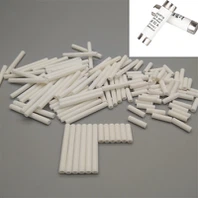
Cordierite is a type of ceramic material that is commonly used in various industrial applications, particularly in the production of kiln furniture, catalytic converters, and certain types of cookware. The composition of cordierite ceramics typically includes the following main components:
1. Magnesium Oxide (MgO)
A lot of magnesium oxide is usually found in cordierite ceramics, which helps them have low thermal expansion and good resistance to thermal shock.
2. Aluminum Oxide (Al₂O₃)
Aluminum oxide is another essential component, aiding in achieving the desired combination of properties, such as high-temperature stability and low thermal expansion.
3. Silicon Dioxide (SiO₂)
Silicon dioxide, also known as silica, is commonly present in cordierite compositions. It influences the ceramic's structure and properties.
4. Other Additives
Besides these main parts, cordierite ceramics might also have other things added to them to improve certain properties or make the manufacturing process easier. These additives can include:
- Trace elements
Small amounts of other elements may be present as impurities or intentionally added for specific purposes.
- Processing aids
Various processing aids, such as binders, plasticizers, and lubricants, may be included to facilitate the shaping and firing of the ceramic material.
The exact composition can vary depending on the specific requirements of the application and the manufacturing process used. People like cordierite ceramics because they can handle sudden changes in temperature. This makes them good for uses where thermal shock resistance is important.