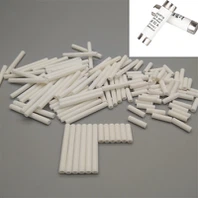
Ceramic pressing is a crucial manufacturing process in the production of ceramic products, ranging from traditional pottery to advanced technical ceramics used in various industries. This process involves shaping ceramic powders into a desired form through the application of pressure, resulting in green bodies that can be further processed and fired to achieve the final ceramic product. The ceramic pressing process is versatile, allowing for the creation of intricate and complex shapes with a high degree of precision.
Selection and Preparation of Raw Material
The first step in ceramic pressing is the selection and preparation of the raw materials. Ceramic powders, which can include oxides, carbides, nitrides, and other compounds, are carefully chosen based on the desired properties of the final product. The powders are then thoroughly mixed to ensure a homogeneous blend, promoting uniformity in the resulting ceramic components.
Selection of Pressing Methods
Once the powder mixture is prepared, it undergoes a pressing operation. There are several methods for ceramic pressing, with dry pressing and wet pressing being the most common. In dry pressing, the powder is directly compacted into a die cavity using mechanical force, while wet pressing involves the addition of a liquid binder to the powder to create a slurry that is then pressed. The choice between these methods depends on factors such as the composition of the ceramic material, the complexity of the desired shape, and the required precision.
Applying Pressure
The pressing operation is typically carried out using hydraulic or mechanical presses. The pressure applied during pressing is a critical parameter that influences the density and strength of the greenware. Careful control of the pressing conditions is essential to achieving the desired level of compaction without causing defects such as cracking or warping.
Additional Processing Steps
After pressing, the green body is carefully removed from the die and undergoes additional processing steps. These steps may include drying to remove any residual moisture, machining to achieve precise dimensions, and surface finishing to enhance the aesthetic and functional qualities of the ceramic component. The greenware is now ready for the next stage of the manufacturing process: firing.
Sintering
Firing, or sintering, is a heat treatment process that transforms the greenware into a dense and durable ceramic product. The temperature and duration of the firing process depend on the specific ceramic material and its intended application. During firing, the ceramic particles bond together, eliminating pores and enhancing the mechanical properties of the final product. The firing process also contributes to the development of unique thermal, electrical, and chemical properties that make ceramics suitable for a wide range of applications.
Advantages of Pressing
Ceramic pressing offers several advantages in the production of ceramic components. It allows for the cost-effective mass production of intricate shapes with consistent quality. The process is also adaptable to various ceramic materials, enabling the manufacturing of products with diverse properties. Additionally, the precision achievable through ceramic pressing makes it a preferred method for applications where tight tolerances are essential, such as in the production of electronic components and precision machinery parts.
In conclusion, the ceramic pressing process is a fundamental step in the manufacturing of ceramics, offering versatility and precision in shaping a wide range of materials. From traditional pottery to advanced technical ceramics, the pressing process plays a crucial role in creating durable and high-performance ceramic products for diverse applications. As technology and materials continue to advance, the ceramic pressing process remains a cornerstone in the production of innovative and functional ceramic components.