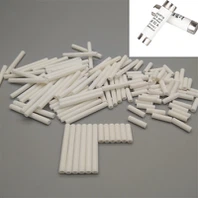
Boron nitride ceramic, a compound composed of boron and nitrogen atoms, has gained significant attention in various industries due to its exceptional properties and versatility. This advanced ceramic material exhibits a unique combination of thermal, electrical, and mechanical characteristics that make it suitable for a wide range of applications.
Thermal Management
One of the primary applications of boron nitride ceramic is in the field of thermal management. Its exceptional thermal conductivity, comparable to that of graphite, makes it an ideal choice for heat sinks and other cooling components in electronic devices. The material's ability to efficiently dissipate heat helps prevent overheating, ensuring the optimal performance and longevity of electronic components such as computer processors and power electronics.
High-Temperature Environments
Boron nitride ceramics are also widely utilized in high-temperature environments. The material's outstanding thermal stability and resistance to thermal shock make it suitable for applications in aerospace, defense, and manufacturing processes involving extreme temperatures. In aerospace, boron nitride ceramics are employed in the production of heat shields, rocket nozzles, and other components that experience intense heat during launch and re-entry.
Lubrication
Another significant application lies in the realm of lubrication. Hexagonal boron nitride, a crystalline form of boron nitride ceramic, is often used as a dry lubricant due to its low friction coefficient. It provides an effective and stable lubricating layer, reducing wear and friction in various industrial applications. This property is particularly valuable in situations where traditional liquid lubricants may not be suitable, such as in vacuum environments or at extreme temperatures.
Electronics
In the realm of electronics, boron nitride ceramics find applications as insulating materials. Their excellent electrical insulating properties make them suitable for components like insulators and substrates in electronic devices. The material's thermal conductivity, combined with electrical insulation, ensures efficient heat dissipation without compromising the electrical integrity of the components.
Manufacturing Field
Moreover, boron nitride ceramics play a crucial role in the manufacturing of crucibles and other containers for molten metals. The material's high thermal conductivity and resistance to chemical reactions with molten metals make it an excellent choice for such applications. This is particularly important in industries like metallurgy and metal casting, where maintaining precise temperature control and preventing contamination are critical factors.
In addition to their role in thermal management, lubrication, electronics, and metal processing, boron nitride ceramics are also employed in the production of cutting tools. The material's hardness, wear resistance, and chemical stability contribute to the development of high-performance cutting tools for machining applications. This enhances the efficiency and durability of cutting processes in industries ranging from automotive manufacturing to aerospace.
Biomedical Field
The biomedical field has also witnessed the use of boron nitride ceramics, particularly in dental applications. The material's biocompatibility, coupled with its thermal and electrical properties, makes it suitable for use in dental implants and prosthetics.
In conclusion, boron nitride ceramics have become indispensable in various industries owing to their unique combination of thermal, electrical, and mechanical properties. As research and technology continue to progress, it is likely that new and innovative applications for this remarkable material will emerge, further expanding its impact across different industries.