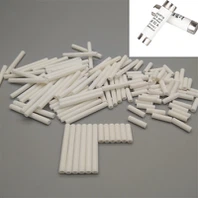
Alumina, also known as aluminum oxide (Al2O3), is a versatile compound with a wide range of uses across various industries. Its unique properties make it a valuable material for diverse applications. This article explores the uses of alumina in different sectors, highlighting its significance in modern technology and manufacturing processes.
Metal Production
One of the primary applications of alumina is in the production of aluminum metal. Through a process known as the Bayer method, alumina is extracted from bauxite ore. The extracted alumina is then subjected to electrolysis to produce aluminum metal. The lightweight and corrosion-resistant properties of aluminum make it a crucial material in the aerospace, automotive, and construction industries.
Abrasive Material
Alumina is widely used as an abrasive material in various forms, including alumina powders and grits. These abrasives find applications in grinding, polishing, and sanding processes. The hardness of alumina makes it effective for shaping and finishing materials such as metals, ceramics, and glass. Its use in abrasives contributes to precision manufacturing and ensures high-quality finished products.
Ceramics and Refractories
Alumina's high melting point and excellent thermal stability make it a key component in the production of ceramics and refractories. Alumina ceramics exhibit exceptional hardness, wear resistance, and electrical insulation properties. These ceramics are used in the manufacturing of cutting tools, ball bearings, spark plugs, and various industrial components. Additionally, alumina is a crucial component in refractory materials used for lining furnaces and kilns in industries like steel, cement, and glass.
Electrical Insulation
The electrical insulation properties of alumina make it suitable for various applications in the electrical and electronic industries. Alumina ceramics are used as insulators in electrical components such as circuit boards and resistors. Its high dielectric strength and thermal stability contribute to the reliability of electronic devices, ensuring they function efficiently under different operating conditions.
Chemical Industry
Alumina is employed in the chemical industry for various purposes. It is utilized as a catalyst in the production of chemicals, petrochemicals, and polymers. The inert nature of alumina makes it an ideal choice for supporting catalysts in chemical reactions. Additionally, alumina is used in the production of specialty chemicals and as a component in catalysts for fluid catalytic cracking in the petroleum refining process.
Medical Applications
In the field of medicine, alumina finds application in the production of certain types of biocompatible implants. Alumina ceramics are used in orthopedic and dental implants due to their biocompatibility, hardness, and resistance to wear. These implants provide durable solutions for joint replacements and dental prosthetics, enhancing the quality of life for patients.
Environmental Protection
Alumina plays a role in environmental protection through its use in wastewater treatment. Aluminum-based coagulants, derived from alumina, are employed in the purification of water by aiding in the removal of impurities and suspended particles. This contributes to the production of clean and safe drinking water, supporting environmental sustainability.
Consumer Goods and Packaging
Alumina is used in the production of certain consumer goods and packaging materials. Its properties, such as being non-toxic and corrosion-resistant, make it suitable for applications like food packaging and storage containers. The use of alumina in these products ensures the preservation of the contents and prevents contamination.
Advanced Materials and Nanotechnology
In recent years, alumina has found applications in advanced materials and nanotechnology. Nanoscale alumina particles are used to enhance the properties of various materials, including polymers and composites. These advancements contribute to the development of lightweight and high-performance materials with applications in aerospace, electronics, and other cutting-edge industries.
In conclusion, alumina's versatility and unique properties make it an indispensable material in various industries. From metal production to ceramics, electronics, and medical applications, alumina plays a crucial role in advancing technology and improving the quality of products and processes. As research and technology continue to progress, alumina's applications are likely to expand, contributing to further innovations across multiple sectors.