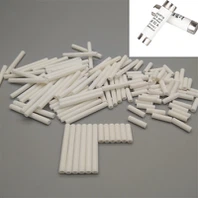
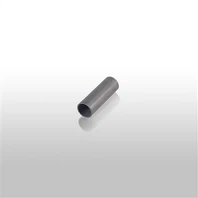
Alumina ceramics are widely used in a diverse group of industries, as shown below:
Industrial Furnaces
Alumina ceramic is used in industrial furnaces and kilns for applications such as heat treatment, sintering, and calcination. It provides thermal insulation, high-temperature resistance, and dimensional stability for efficient and controlled heating processes.
Chemical Reactors
Alumina ceramic is used in chemical reactors for various chemical processes. It provides excellent corrosion resistance and thermal stability, making it suitable for reactions involving aggressive chemicals and high temperatures.
Refractory Materials
Alumina ceramic is used as a refractory material in high-temperature applications where resistance to heat and thermal shock is required. It is used in refractory bricks, crucibles, and linings for furnaces, kilns, and incinerators.
Solar Energy Applications
Alumina ceramic is used in solar energy applications for concentrating solar power systems, solar thermal collectors, and solar cells. It provides high-temperature resistance and durability in solar energy conversion and storage systems.
Gas Turbines
Alumina ceramic is used in gas turbines for components such as turbine blades, nozzles, and combustion liners. It provides high-temperature stability, corrosion resistance, and improved turbine efficiency.
Electrochemical Cells
Alumina ceramic is used in electrochemical cells such as batteries and fuel cells. It serves as a separator, electrolyte, or electrode material, providing ionic conductivity and chemical stability for efficient electrochemical reactions.
Automotive Sensors
Alumina ceramic is used in automotive sensors such as oxygen sensors, temperature sensors, and pressure sensors. It provides stability, durability, and resistance to harsh automotive environments.
Catalysts
Alumina ceramic is used as a catalyst support in various chemical reactions. Its high surface area and thermal stability make it suitable for catalytic applications, including petroleum refining, petrochemical production, and environmental catalysis.
Dental Restoration
Alumina ceramic is used in dental restorations such as dental crowns, bridges, and veneers. It provides excellent aesthetics, biocompatibility, and durability for long-lasting dental prosthetics.
Fuel Injection Systems
Alumina ceramic is used in fuel injection systems for diesel engines. It provides wear resistance, thermal stability, and dimensional accuracy for precise fuel delivery and combustion control.
Insulating Tubes
Alumina ceramic tubes are used as insulators in high-temperature applications. They provide electrical insulation, thermal protection, and mechanical support for wires, heating elements, and thermocouples.
Metalizing
Alumina ceramic can be metallized or coated with metallic layers to enhance conductivity or provide a hermetic seal. Metallized alumina ceramic is used in electronic packaging, power electronics, and microwave devices.
Electrical Connectors
Alumina ceramic is used in electrical connectors and terminals for high
High-Temperature and High-Power Applications
It provides electrical insulation, heat resistance, and mechanical stability for reliable electrical connections.
Ultraviolet (UV) Lamps
Alumina ceramic is used as a UV-transmitting material in UV lamps and sterilization systems. It allows the transmission of UV light while providing thermal and electrical insulation.
Chemical Pumps
Alumina ceramic is used in chemical pumps for handling corrosive and abrasive fluids. It provides wear resistance, chemical compatibility, and dimensional stability for reliable pump performance.
Sensors and Actuators
Alumina ceramic is used in sensors and actuators for various applications. It is used in pressure sensors, temperature sensors, gas sensors, and piezoelectric actuators for precise measurements and control.
Electrical Heaters
Alumina ceramic is used as a heating element material in electrical heaters. It provides high-temperature resistance, electrical insulation, and thermal conductivity for efficient heating.
Microwave Components
Alumina ceramic is used in microwave components such as waveguides, antennas, and resonators. It provides high dielectric constant, low dielectric loss, and thermal stability for efficient microwave transmission and control.
Grinding Media
Alumina ceramic balls and cylinders are used as grinding media in ball mills and attritors for fine grinding and particle size reduction. They provide high wear resistance and minimize contamination of the processed materials.
Electrostatic Chucks
Alumina ceramic electrostatic chucks are used in semiconductor manufacturing for holding and positioning wafers during processing. They provide secure wafer gripping, heat dissipation, and dimensional stability.
Spark Igniters
Alumina ceramic is used in spark igniters for gas appliances and ignition systems. It provides high dielectric strength and thermal shock resistance for reliable ignition performance.
Vacuum Components
Alumina ceramic is used in vacuum systems for its low outgassing, high-temperature resistance, and dimensional stability. It is used in vacuum chambers, feedthroughs, and insulators for applications such as semiconductor manufacturing and scientific research.
Heat Exchangers
Alumina ceramic heat exchangers are used in high-temperature and corrosive environments. They provide efficient heat transfer, resistance to chemical attack, and durability for heat exchange applications in industries such as petrochemicals and metallurgy.
Electrical Insulation for High-Voltage Applications
Alumina ceramic is used as an electrical insulation material in high-voltage applications such as transformers, switchgear, and power distribution systems. It provides high dielectric strength, electrical insulation, and thermal stability.
Microwave Substrates
Alumina ceramic substrates are used in microwave integrated circuits (MICs) and microwave modules. They provide a stable platform for mounting and interconnecting microwave components.
EDM (Electrical Discharge Machining) Electrodes
Alumina ceramic is used as an electrode material in electrical discharge machining processes. It provides high electrical resistance, thermal stability, and dimensional accuracy for precision machining of conductive materials.
Hermetic Sealing
Alumina ceramic is used in hermetic sealing applications to provide airtight and leak-proof seals for electronic and mechanical components. It is used in feedthroughs, connectors, and packages for sensitive devices and systems.
Sputtering Targets
Alumina ceramic targets are used in physical vapor deposition (PVD) processes for thin film deposition. They provide a stable source of alumina atoms for coating applications in industries such as electronics, optics, and solar cells.
Solid-State Lighting
Alumina ceramic is used in solid-state lighting applications, including LEDs (light-emitting diodes). It is used as a substrate, heat spreader, and phosphor carrier for efficient and durable LED lighting systems.
Ion Beam Etching
Alumina ceramic is used as a mask material in ion beam etching processes for precise material removal. It provides high etch resistance and dimensional stability for patterning and microfabrication applications.
Insulation for High-Power Electronics
Alumina ceramic is used as an insulation material for high-power electronic devices such as power transistors and thyristors. It provides electrical insulation, heat dissipation, and mechanical support for reliable device performance.
Ceramic Filters
Alumina ceramic filters are used for liquid and gas filtration in industries such as pharmaceuticals, food and beverage, and water treatment. They provide high filtration efficiency, chemical resistance, and durability.
Heat Recovery Systems
Alumina ceramic is used in heat recovery systems for capturing and reusing waste heat in industrial processes. It is used in heat exchangers, thermal storage systems, and regenerative burners for energy efficiency improvement.