Products
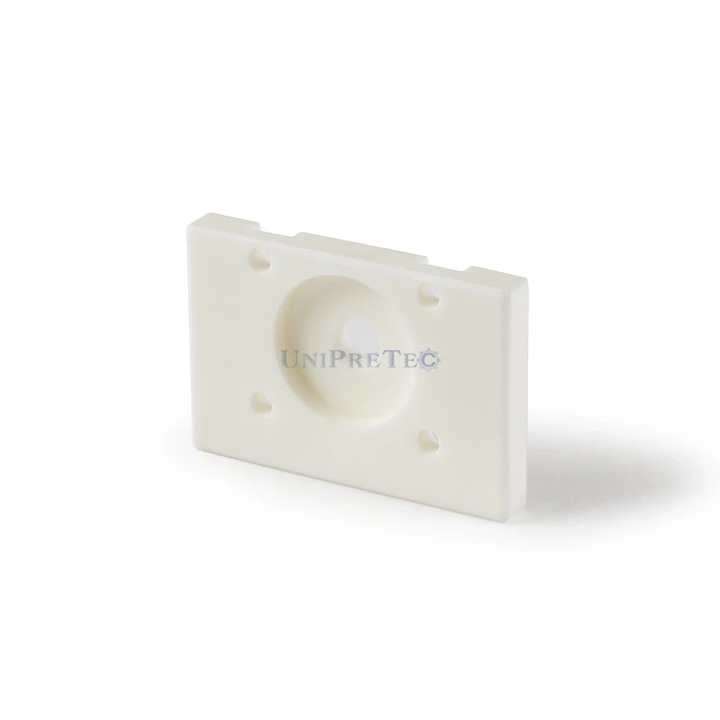


Advanced Ceramic Components
- Aerospace industry;
- Automotive field;
- Electronics and semiconductor industry;
- Medical care;
- Energy sector.
Send Inquiry
Product Introduction
Advanced ceramic components have emerged as critical materials in various industries, revolutionizing the way we approach engineering challenges. These materials, often known for their exceptional properties, are composed of inorganic compounds primarily consisting of non-metallic elements. Their unique combination of hardness, high-temperature resistance, and electrical insulation has made them indispensable in applications ranging from aerospace to healthcare.
Properties of Advanced Ceramic Components
1. High Hardness and Wear Resistance
Advanced ceramic components exhibit exceptional hardness, surpassing even that of hardened steel. This attribute makes them ideal for applications where wear resistance is crucial, such as in bearings, cutting tools, and industrial wear parts. The ability to withstand abrasive forces extends the lifespan of machinery and equipment, reducing maintenance costs and downtime.
2. High-Temperature Stability
These ceramics can withstand extreme temperatures, often reaching well above 1000°C without experiencing significant deformation or degradation. This property is vital in applications that involve exposure to high temperatures, such as in gas turbines, automotive engines, and aerospace components.
3. Chemical Inertness
Advanced ceramics are highly resistant to chemical corrosion, making them suitable for environments where exposure to harsh chemicals is inevitable. This property finds applications in the chemical processing industry, where equipment longevity is essential.
4. Electrical Insulation
Unlike metals, ceramics are excellent insulators. This property is vital in electrical applications, where components must isolate current flow to prevent short circuits. Advanced ceramics are extensively used in electronic devices, from insulating substrates in microchips to high-voltage insulators in power transmission.
5. Biocompatibility
In the field of healthcare, certain advanced ceramics exhibit excellent biocompatibility, meaning they can interact with living tissues without adverse reactions. This property has led to their use in dental implants, bone substitutes, and various medical devices.
Applications of Advanced Ceramic Components
1. Aerospace Industry
Advanced ceramics are extensively used in aerospace applications due to their combination of high-temperature stability and low weight. Components like turbine blades, heat shields, and aerospace bearings benefit from the properties of advanced ceramics, contributing to improved fuel efficiency and overall performance of aircraft.
2. Automotive Sector
In the automotive industry, advanced ceramics play a critical role in components like catalytic converters, brake systems, and engine parts. Their ability to withstand high temperatures and provide wear resistance enhances the efficiency and durability of vehicles.
3. Electronics and Semiconductor Industry
The electronics sector relies heavily on advanced ceramic components. They form the backbone of integrated circuits, capacitors, and substrates used in electronic devices. Their electrical insulation properties and compatibility with high-frequency signals are essential for modern electronics.
4. Medical and Healthcare
Advanced ceramics have found widespread use in the medical field. They are employed in dental implants, joint replacements, and various surgical instruments. The biocompatibility of certain ceramics ensures minimal adverse effects on the human body.
5. Energy Sector
The energy industry benefits from advanced ceramics in various forms. They are used in components for power generation, such as in gas turbines, fuel cells, and nuclear reactors. The ability of ceramics to withstand extreme conditions contributes to the efficiency and reliability of energy production.
Future Trends and Innovations
1. Nanotechnology Integration
The incorporation of nanotechnology is expected to further enhance the properties of advanced ceramics. Nanostructured ceramics promise even greater strength, hardness, and thermal stability, opening up new avenues for applications.
2. Additive Manufacturing (3D Printing)
Additive manufacturing techniques allow for the precise fabrication of complex ceramic components. This technology is poised to revolutionize the production of ceramics, enabling custom-designed parts with intricate geometries.
3. Smart Ceramics
Research is underway to develop ceramics with embedded sensors and actuators, creating materials that can adapt to changing conditions. These "smart ceramics" have the potential to find applications in fields like aerospace, healthcare, and robotics.
Conclusion
Advanced ceramic components have redefined engineering possibilities across a spectrum of industries. Their unique combination of properties, from high hardness to high-temperature stability, has made them indispensable in applications where traditional materials fall short. As research and innovation continue to push the boundaries of ceramic technology, we can anticipate even more groundbreaking applications in the future, solidifying ceramics' role as a cornerstone of modern engineering.
Hot Tags: advanced ceramic components, China, suppliers, manufacturers, factory, wholesale, price, for sale
Previous:
Cat Pump Ceramic Plungers
Next:
Ceramic Wear Parts
Send Inquiry